


Wood chippers are powerful machines used to process wood and reduce waste in the forestry industry. With New Zealand’s significant forested areas, the use of wood chippers has become increasingly popular in the country. The machine is also widely used in landscaping, land clearing, and reducing fire hazards. In this article, we will provide an overview of wood chippers in New Zealand, including their types, characteristics, applications, operation, maintenance, and market situation. We will also explore the future trends and potential research directions of this important tool.

Types and Characteristics of Wood Chippers:
Wood chippers are available in different types and sizes, each with its unique features and benefits. Below are the most common types of wood chippers used in New Zealand.
Disk Chippers:
Disk chippers are the most common type of wood chippers and are suitable for processing large pieces of wood. They work by using a spinning blade or disk to cut the wood against a stationary blade, producing consistent wood chips. Disk chippers are ideal for producing uniform-sized chips and have a higher throughput rate than other types. They are commonly used in the forestry industry to process logs, branches, and other wood debris. Popular disk chipper brands in New Zealand include Hansa, Carlton, and GreenMech.
Drum Chippers:
Drum chippers are ideal for chipping small pieces of wood and are less likely to produce large chunks. They work by pulling the wood through a rotating drum equipped with blades that cut and crush the wood into chips. Drum chippers are ideal for producing smaller-sized chips and have a lower throughput rate than disk chippers. They are commonly used for residential landscaping projects and are more suitable for chipping green wood. Popular drum chipper brands in New Zealand include Vermeer and Bandit.
Screw Chippers:
Screw chippers are best for handling wet wood and producing fine chips. They work by using a screw mechanism that pulls the wood through a cutting blade, producing small, consistent chips. Screw chippers are ideal for producing high-quality chips for use in landscaping and gardening. They are commonly used in the horticulture industry to produce mulch or compost. Popular screw chipper brands in New Zealand include Posch and Pezzolato.
Each type of wood chipper has its advantages and disadvantages, and buyers must choose the right one based on their specific requirements. Factors to consider when choosing a wood chipper include the type of wood to be chipped, the size of the chips required, the throughput rate, and the price.
When it comes to the characteristics of wood chippers, there are several important factors to consider. These include the engine size, horsepower, feed capacity, blade design, and safety features. Buyers should look for a wood chipper with a powerful engine that can handle the workload, a high horsepower rating for efficient chipping, and a large feed capacity to handle bigger pieces of wood. A good blade design is essential for producing consistent-sized chips, and safety features such as emergency stop switches, safety guards, and chip deflectors should be included to prevent accidents.
Applications of Wood Chippers:
Wood chippers have a wide range of applications in different industries and settings. In New Zealand, wood chippers are commonly used in the following applications:
1. Forestry:
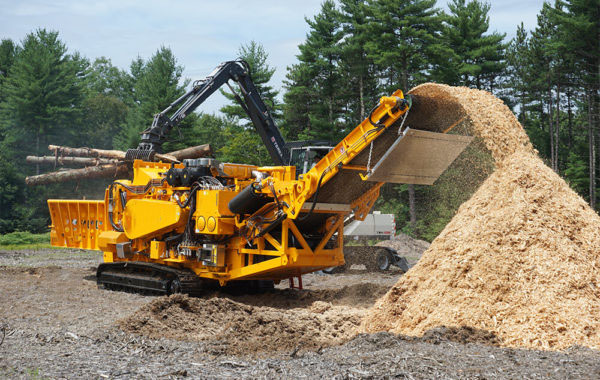
Wood chippers play a critical role in the forestry industry in New Zealand, where forests cover approximately 7.5 million hectares. Forestry companies use wood chippers to process logs, branches, and other wood debris generated during the harvesting process. These machines can handle large pieces of wood, reducing them into small, uniform-sized chips that can be used for various purposes.
One key application of wood chippers in the forestry industry is producing wood chips for bioenergy. In New Zealand, wood chips are commonly used as fuel in commercial and industrial boilers, producing heat and electricity. Wood chips are also used as a feedstock for biogas production, which is becoming an increasingly important source of renewable energy.
Another application of wood chippers in forestry is reducing waste and promoting sustainability. By chipping wood debris, forestry companies can avoid burning or disposing of the waste material, which would otherwise contribute to greenhouse gas emissions. Instead, the chipped wood can be used for a variety of purposes such as landscaping, animal bedding, and erosion control.
2. Landscaping:
Wood chippers are also widely used in landscaping projects to reduce waste and create mulch. Drum chippers are popular for this application as they produce smaller, consistent chips that are suitable for mulching flower beds and gardens. Wood chips can also be used for erosion control and soil conservation.
3. Land Clearing:
In land clearing applications, wood chippers are used to clear trees, shrubs, and other vegetation. This is a common practice in New Zealand, where land is often cleared for agricultural or residential development. Disk chippers are commonly used for this application as they can handle larger pieces of wood and have a high throughput rate.
4. Fire Hazard Reduction:
Wood chippers are also used to reduce the risk of forest fires by clearing dry vegetation and branches that can easily ignite. This is an important application in New Zealand, where wildfires can be a significant problem. Screw chippers are commonly used for this application as they can handle wet wood and produce fine chips that can be easily spread over a wide area.
5. Garden Waste Disposal:
In residential settings, wood chippers are used to dispose of garden waste such as tree branches, leaves, and grass clippings. Drum chippers are commonly used for this application as they are smaller and more portable, making them ideal for residential use.
6. Agricultural Applications:
Wood chippers are also used in the agricultural industry for animal bedding and feedstock. The chipped wood can be used as a natural and sustainable bedding material for livestock, and can also be used as feedstock for biogas production.
Overall, wood chippers are versatile machines that have a wide range of applications in different industries and settings. They are an essential tool for reducing waste, improving efficiency, and promoting sustainability.
Operation and Maintenance of Wood Chippers:
To ensure safe and efficient operation of wood chippers, proper maintenance and operation practices must be followed. Here are some key considerations for operating and maintaining wood chippers in New Zealand:
A. Operation:
Safety Precautions
Before operating a wood chipper, it is important to review the safety instructions provided by the manufacturer. Always wear appropriate personal protective equipment, such as gloves, safety glasses, and hearing protection. Ensure that there is adequate lighting and that the work area is clear of any obstacles. Do not operate the wood chipper in wet or slippery conditions.
Feeding the Chipper
When feeding wood into the chipper, it is important to only feed it at the appropriate rate and to not overload the machine. Avoid feeding wood with metal or other foreign objects that could damage the blades or cause injury.
Adjusting the Blades
The blades on wood chippers need to be adjusted periodically to ensure they are sharp and in proper alignment. Dull or misaligned blades can cause the wood to become jammed in the chipper or result in unevenly sized chips.
B. Maintenance:
Blade Maintenance
The blades on wood chippers must be sharpened regularly to maintain optimal performance. It is important to follow the manufacturer’s recommended sharpening schedule and to ensure that the blades are properly balanced.
Engine Maintenance
Regular maintenance of the engine is essential to ensure that the wood chipper operates efficiently and reliably. This includes regular oil changes, air filter replacement, and fuel system maintenance.
Inspection and Cleaning
Wood chippers should be inspected and cleaned regularly to ensure that they are free from debris and other materials that could interfere with their operation. This includes checking for any loose bolts, nuts, or other components that may need to be tightened or replaced.
Lubrication
Proper lubrication of the wood chipper is essential to ensure that it operates smoothly and efficiently. This includes regular lubrication of the bearings, chains, and other moving parts.
C. Training:
Proper training is essential for safe and efficient operation of wood chippers. Operators should be trained on the proper use of the machine, including safety procedures and proper maintenance practices.
Overall, proper operation and maintenance of wood chippers is essential to ensure safe and efficient operation, prevent downtime, and prolong the lifespan of the machine. Following the manufacturer’s recommended maintenance schedule and adhering to safe operating practices will help ensure that the wood chipper performs optimally and is a valuable asset for any business or organization that uses it.
Market Situation and Future Trends:
Wood chippers are widely used in New Zealand’s forestry, landscaping, and agriculture industries. According to a report by ResearchAndMarkets.com, the New Zealand wood chipper market size was valued at USD 8.5 million in 2019 and is expected to reach USD 11.8 million by 2027, growing at a CAGR of 4.3% from 2020 to 2027.
The forestry industry is the largest user of wood chippers in New Zealand, accounting for over 50% of the market share. The growing demand for renewable energy sources and sustainable waste management practices has led to an increased demand for wood chips as a biomass fuel, which has boosted the demand for wood chippers.
The landscaping and agriculture industries are also significant users of wood chippers in New Zealand. The landscaping industry uses wood chippers to convert green waste into mulch for gardening and landscaping purposes, while the agriculture industry uses them to process crop waste and create bedding for animals.
The wood chipper market in New Zealand is fragmented, with a large number of small and medium-sized players. However, there are several multinational companies operating in the country, such as Vermeer Corporation, Bandit Industries Inc., and Morbark LLC.
In terms of development trends, the wood chipper market in New Zealand is expected to witness significant growth in the coming years. The demand for wood chips as a biomass fuel is expected to continue to drive the growth of the wood chipper market. The New Zealand government has set a target of generating 100% renewable electricity by 2035, which is expected to boost the demand for wood chips as a biomass fuel.
Advancements in technology are also expected to play a crucial role in the growth of the wood chipper market in New Zealand. Manufacturers are investing in R&D activities to develop more efficient and safer wood chippers, with features such as remote control operation and improved safety features.
Furthermore, the adoption of alternative fuels, such as electricity and biofuels, is expected to increase in the wood chipper market in New Zealand. This will help reduce the carbon footprint of wood chippers and promote sustainable waste management practices.
In conclusion, the wood chipper market in New Zealand is expected to witness steady growth in the coming years, driven by the growing demand for sustainable waste management practices and renewable energy sources. The adoption of new technologies and alternative fuels is expected to further improve the efficiency and sustainability of wood chippers in New Zealand.
Conclusion:
Wood chippers are an essential tool in the forestry and landscaping industries, and their importance is only increasing in New Zealand. Buyers must choose the right type of wood chipper for their needs and follow safety protocols when operating the machine. With proper maintenance, wood chippers can provide many years of reliable service. As the market continues to grow, manufacturers are expected to introduce more advanced features to improve safety and efficiency.