


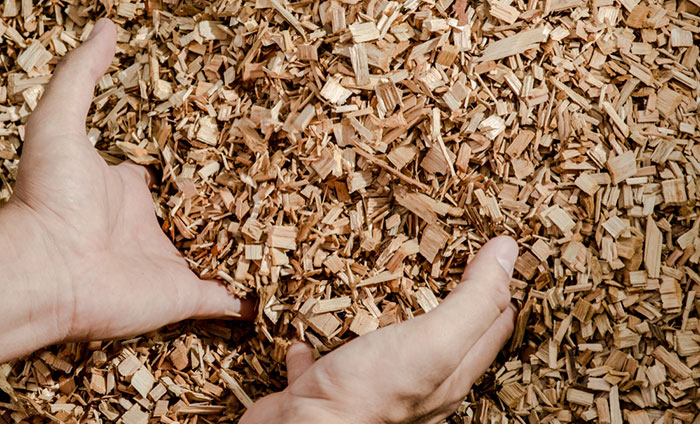
Wood chipper chips are the small pieces of wood produced by a wood chipper machine, which shreds trees and branches into smaller fragments. While wood chipper chips can be an incredibly useful source for various purposes, their disposal can present challenges. This article will examine potential uses for these chips as well as considerations when choosing the correct use such as composting, mulching, using them as biomass fuel, animal bedding or playground surfaces.
Potential Uses for Wood Chipper Chips
Wood chipper chips have many potential applications and uses.
Composting
Composting is the natural process of breaking down organic material, such as wood chips, into nutrient-rich soil amendment. Composting wood chipper chips is an efficient way to reduce waste and create valuable resources for gardening and agriculture. Depending on the type of wood chips, their size and shape, and other variables, composting may take anywhere from several months to a year depending on conditions.
Composting wood chipper chips requires creating the appropriate conditions. This includes layering the chips with other compostable materials like kitchen scraps and grass clippings to provide a balanced amount of nitrogen and carbon. Furthermore, make sure to turn your compost pile regularly for even decomposition and proper moisture levels.
Mulching
Mulching with wood chips is a widely-used technique for suppressing weeds, conserving soil moisture, and improving soil health. Wood chips make ideal mulch due to their slow breakdown rate which provides long-lasting advantages to the soil. Furthermore, wood chips add an attractive aesthetic element to garden beds and landscapes alike.
When mulching with wood chips, it is essential to consider the type of plants being mulched. Some, like blueberries and rhododendrons, require acidic soils while others – like vegetables – prefer neutral soils. Furthermore, the size and shape of the chips can have an impact on their effectiveness; smaller pieces break down faster while larger ones offer better weed suppression.
Biomass Fuel
Wood chips are an excellent source of biomass fuel that can be utilized to generate heat and electricity. Boilers and stoves made from wood chips are commonly found in homes, farms, and industrial facilities to heat buildings and water. Furthermore, wood chips may even be utilized in power plants using biomass energy production processes.
When using wood chips as biomass fuel, it’s essential to take into account the type of wood chipped; some woods are better suited than others. Softwoods like pine and spruce make ideal fuel due to their high resin content that burns easily. Hardwoods such as oak and maple may also work but may need additional processing.
Animal Bedding
Wood chips make an excellent animal bedding material due to their absorbency, ease of cleaning, and comfortable surface for animals to rest on. Wood chips have long been used in poultry houses, dairy barns, and horse stalls alike due to their absorbency.
When using wood chips as animal bedding, it is essential to take into account the type of animal being provided with bedding. Horses prefer larger chips while poultry prefer smaller pieces. Furthermore, only use wood chips free from contaminants and that have undergone proper processing to remove sharp pieces.
Playground Surfaces
Wood chips are a popular playground surface choice due to their soft, cushioned texture. Furthermore, wood chips are natural and environmentally friendly – making them an excellent alternative to synthetic materials.
When using wood chips for playground surfaces, safety must be the top priority. The chips should be free from contaminants like nails and sharp pieces and regularly checked for wear and tear. Furthermore, make sure the chips are deep enough to provide adequate cushioning in case of falls.
Considerations When Selecting Wood Chipper Chips
When selecting a use for wood chipper chips, there are several elements to take into account, such as:
- Type of Wood Chipped: Different wood species have distinct properties and should be used for various purposes. Softwoods, for instance, tend to burn quickly when burned as fuel while hardwoods are more durable and can be used as mulch or animal bedding.
- Size and Shape of Chips: Wood chipper chips come in various sizes and shapes, each ideal for different uses. Larger ones are best suited to fuel purposes while smaller ones are ideal for composting or mulching applications.
- Local Regulations and Restrictions: Depending on where you live, there may be regulations and restrictions in place regarding the disposal or use of wood chipper chips. It’s essential to check local laws and regulations before selecting a use for wood chips.
- Resources Required for Processing and Transporting Chips: Depending on the intended use for wood chips, additional resources may be required in order to process and transport them properly. For instance, if they are being utilized as biomass fuel, then a wood chip boiler or stove may be necessary.
Conclusion
Wood chipper chips are an invaluable resource that can be utilized in numerous ways. From composting or mulching, to using as fuel or bedding for animals or recycling, there are countless uses for them. When selecting which use for wood chips it is important to take into account factors like type, size and shape of chips, local regulations/restrictions on processing/transporting them. With careful consideration wood chipper chips can reduce waste while improving soil health while providing energy and other useful products.